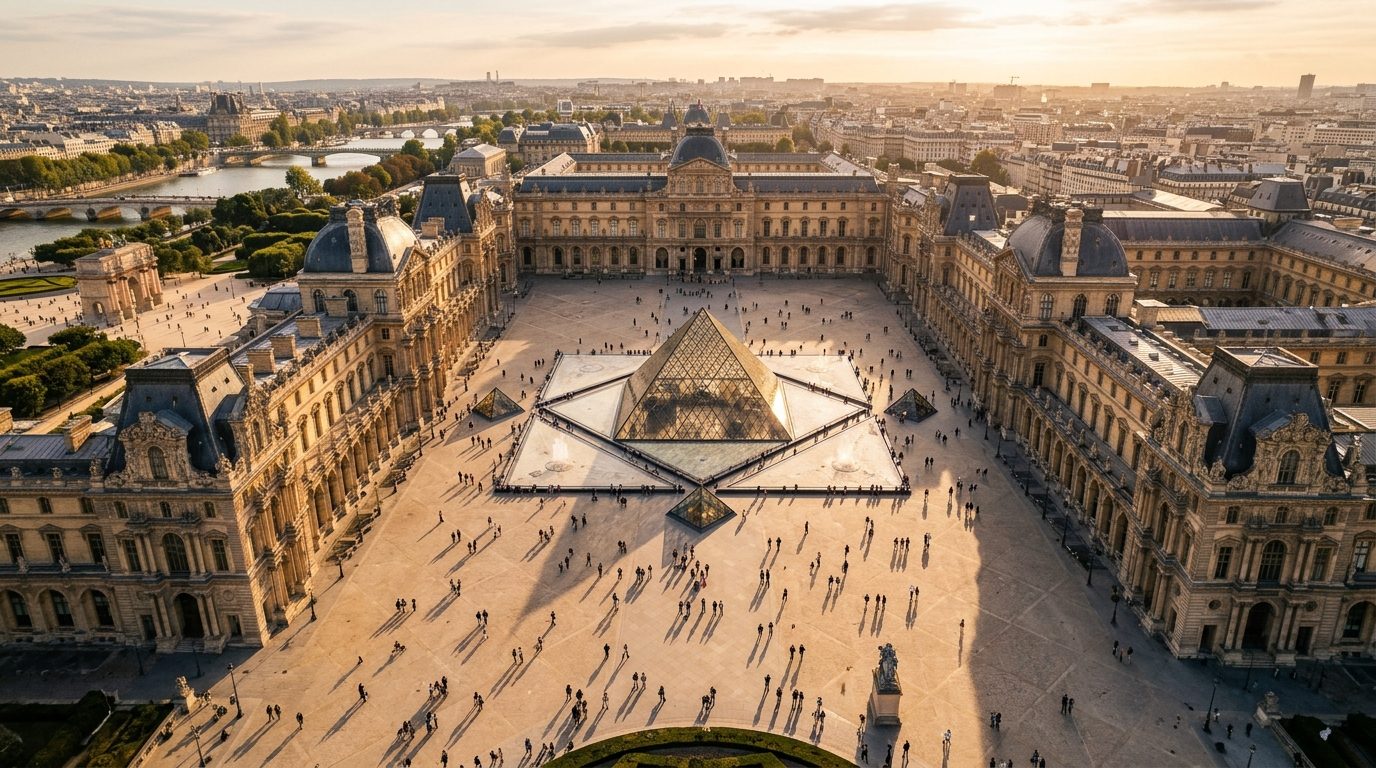
Aerial view of the Louvre courtyard and glass pyramid
munsee-osray · Paris Museums

The World's Largest Art Museum — Decoded

From the Winged Victory to the Mona Lisa, munsee-osray brings you curated, opinionated guides to every corner of the Louvre's eight curatorial departments. Skip the overwhelm — and see what actually matters.

42 articlesExplore All Guides
Ancient CivilisationsRenaissance MastersDecorative ArtsEgyptian AntiquitiesVisitor Tips
The Seated Scribe: A Masterpiece Hidden in Plain SightAncient Egypt
12 May 2025·7 min read

The Seated Scribe: A Masterpiece Hidden in Plain Sight

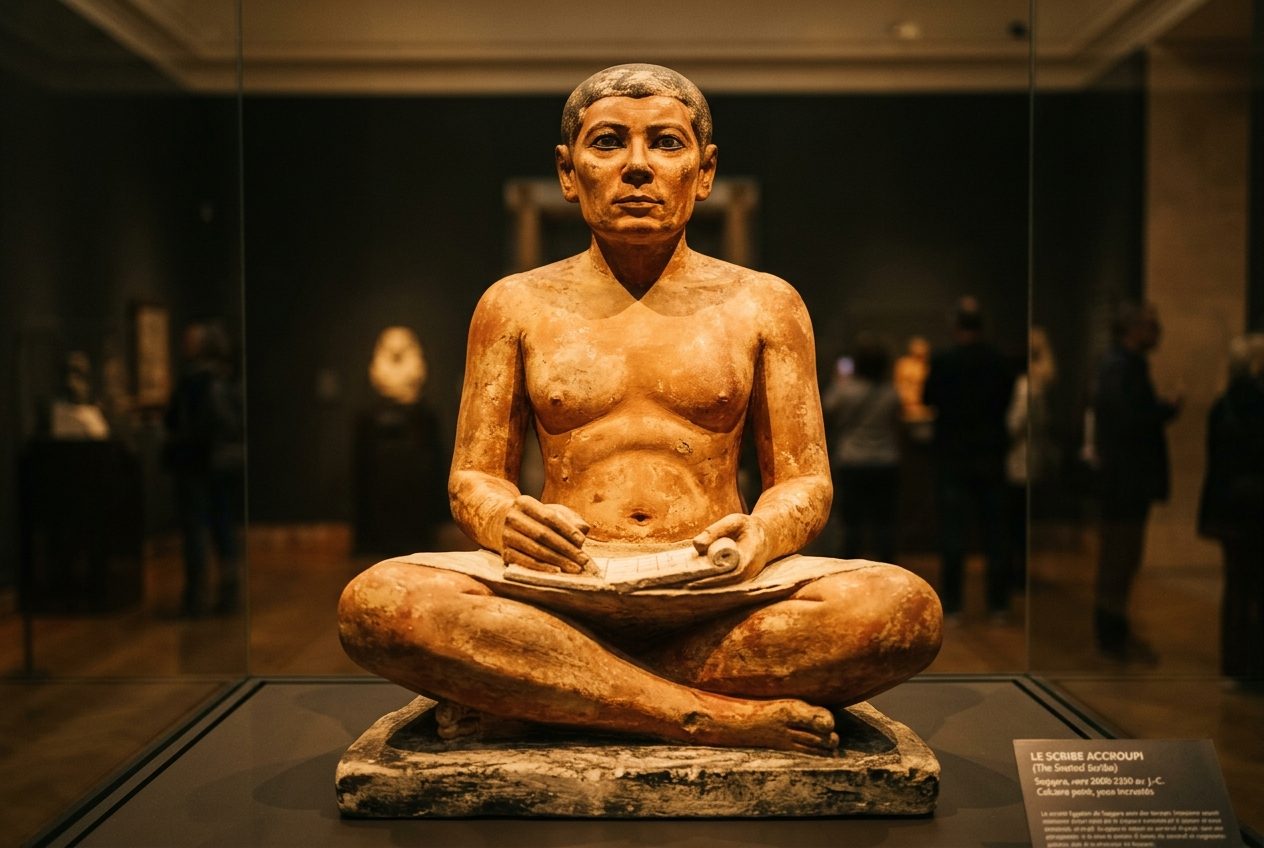
Few visitors pause long enough before the Seated Scribe to appreciate what makes him so unsettling. Those inlaid rock-crystal eyes have stared back at museum-goers since 1854, carrying five thousand years of quiet authority. Here is how to read every detail of this astonishing limestone figure from the Old Kingdom.

Clara Fontaine
Beyond the Mona Lisa: The Louvre's Overlooked Italian GemsRenaissance
3 April 2025·9 min read

Beyond the Mona Lisa: The Louvre's Overlooked Italian Gems

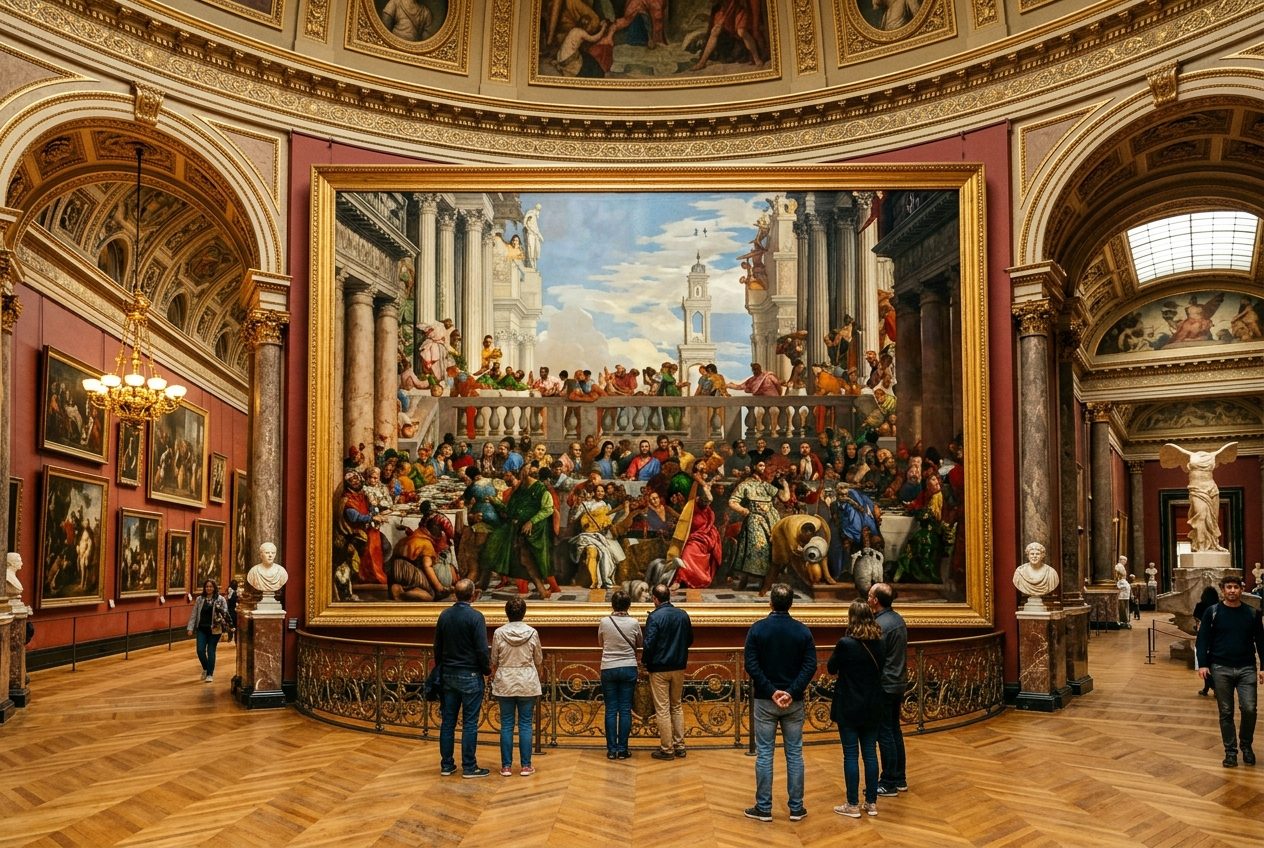
The Mona Lisa draws four million visitors a year, yet thirty metres away hang paintings of equal genius that almost nobody stops to study. Veronese's monumental Wedding at Cana, Raphael's La Belle Jardinière, and Titian's late allegories reward sustained attention in ways the bullet-proof-glass crowd rarely allows.

James Whitmore
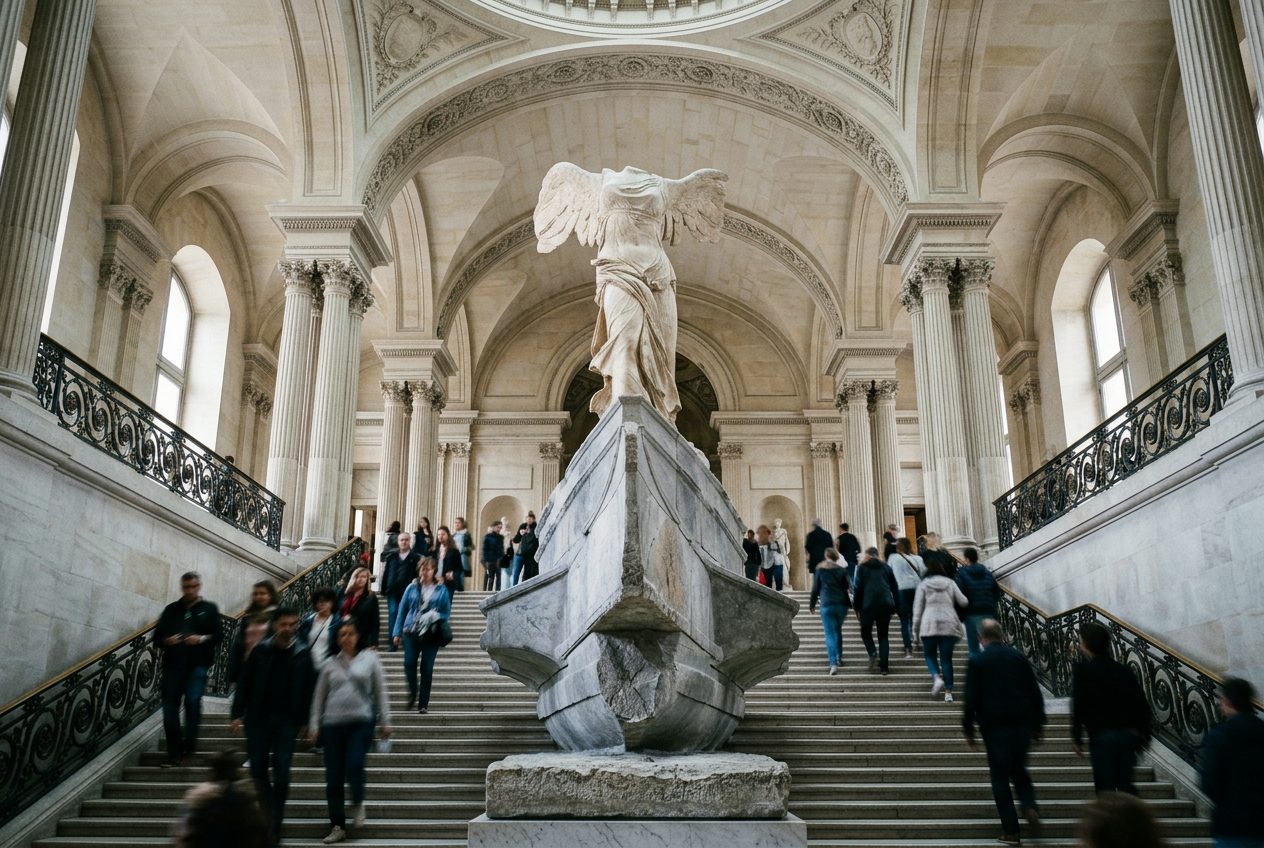
The Winged Victory of Samothrace: Standing at the ProwGreek Antiquities
19 March 2025·8 min read

The Winged Victory of Samothrace: Standing at the Prow

She has no head, no arms, and has been displayed on a carved ship's prow at the top of the Daru staircase since 1883. Yet the Nike of Samothrace remains perhaps the most viscerally powerful sculpture in the western world. We explain her origins, her theatrical installation, and the story of her missing right hand.

Élodie Marchais
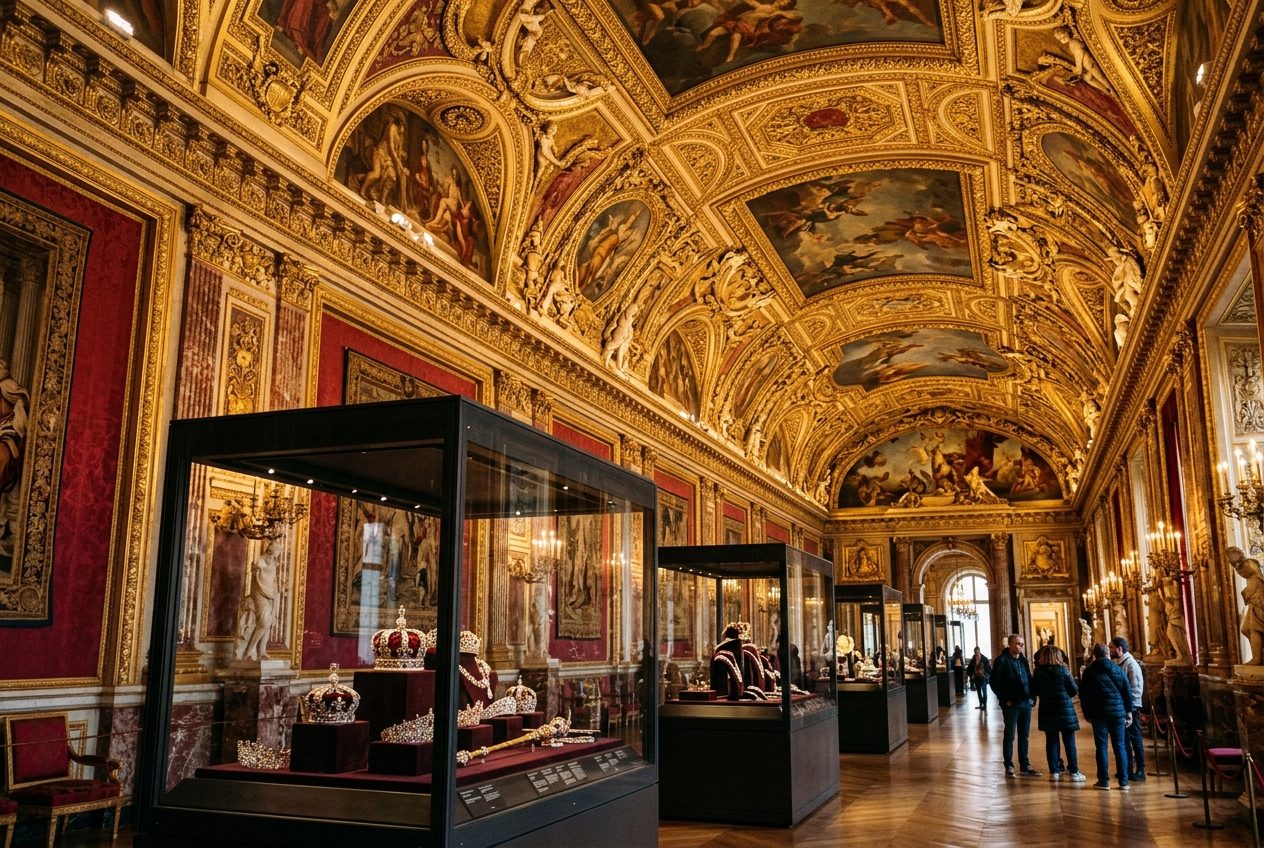
The Galerie d'Apollon: Napoleon's Dream in Gold and CrimsonDecorative Arts
7 February 2025·6 min read

The Galerie d'Apollon: Napoleon's Dream in Gold and Crimson

Begun under Louis XIV and completed under Napoleon III, the Galerie d'Apollon is the Louvre's most extravagant interior — a fifty-metre corridor of painted ceilings, gilded pilasters, and crown jewels encased in bulletproof glass. Versailles gets the visitors; this room gets almost none. That is your advantage.

Clara Fontaine
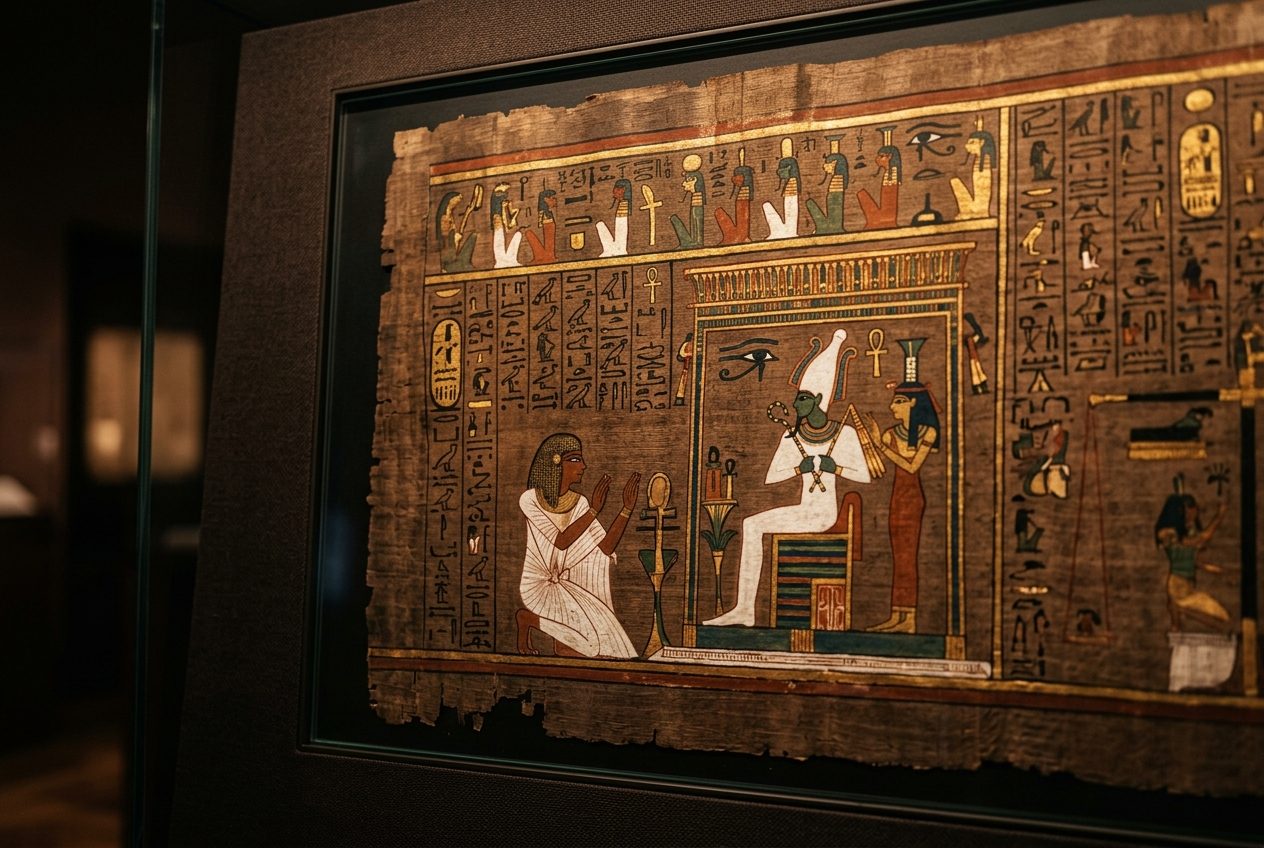
Decoding the Book of the Dead: Papyrus Scrolls of the New KingdomAncient Egypt
28 January 2025·10 min read

Decoding the Book of the Dead: Papyrus Scrolls of the New Kingdom

The Louvre holds one of the world's finest collections of New Kingdom funerary papyri — illustrated guides to the afterlife painted with extraordinary colour and specificity. Understanding the Weighing of the Heart ceremony transforms these documents from decorative curiosities into something far more moving.

James Whitmore
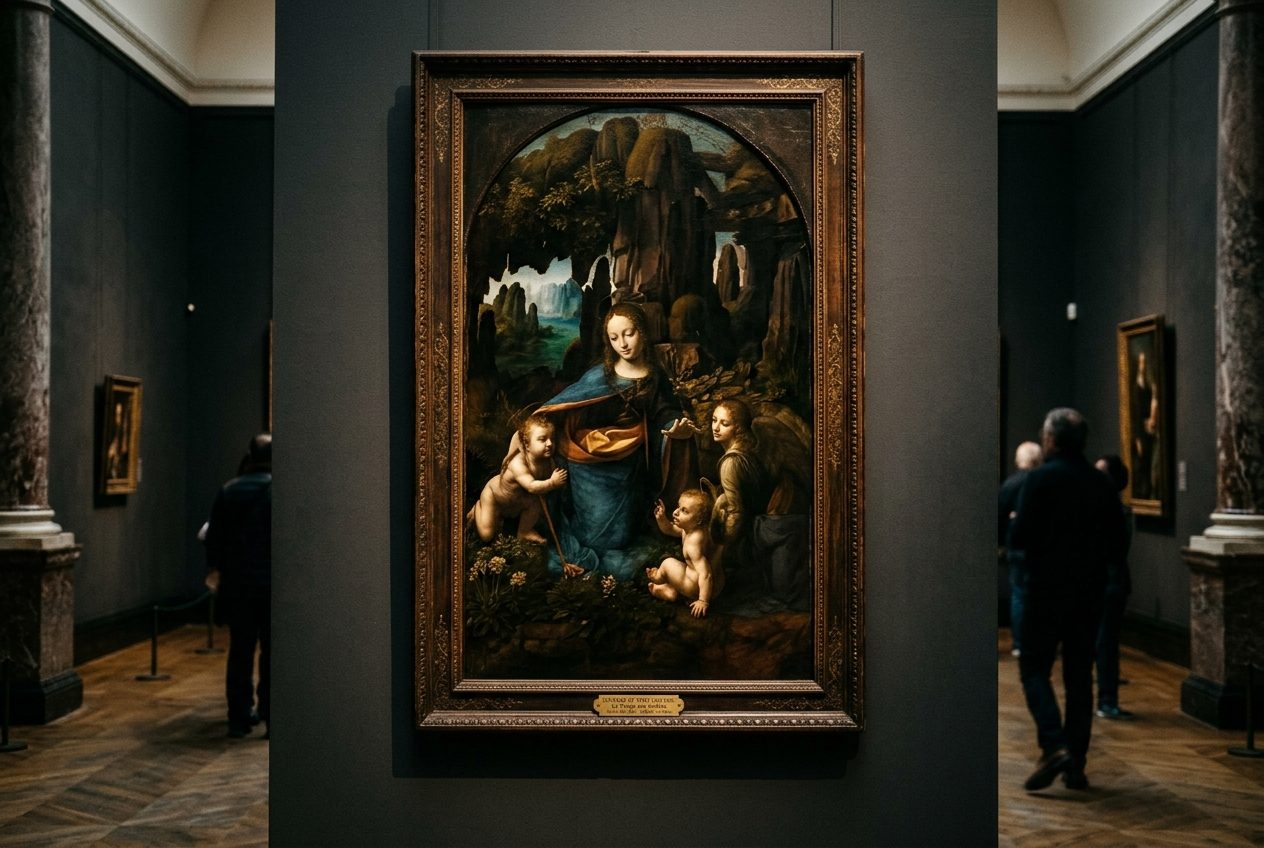
Leonardo's Two Virgins: The London and Paris Versions ComparedRenaissance
14 January 2025·11 min read

Leonardo's Two Virgins: The London and Paris Versions Compared

The Louvre and the National Gallery each hold a version of Leonardo's Virgin of the Rocks. Both are indisputably by his hand. They differ in ways that have puzzled art historians for centuries — in lighting, in the angel's gesture, in the quality of the underlying drawing. Here is a close reading of what the Paris version reveals.

Élodie Marchais
Masterwork Series
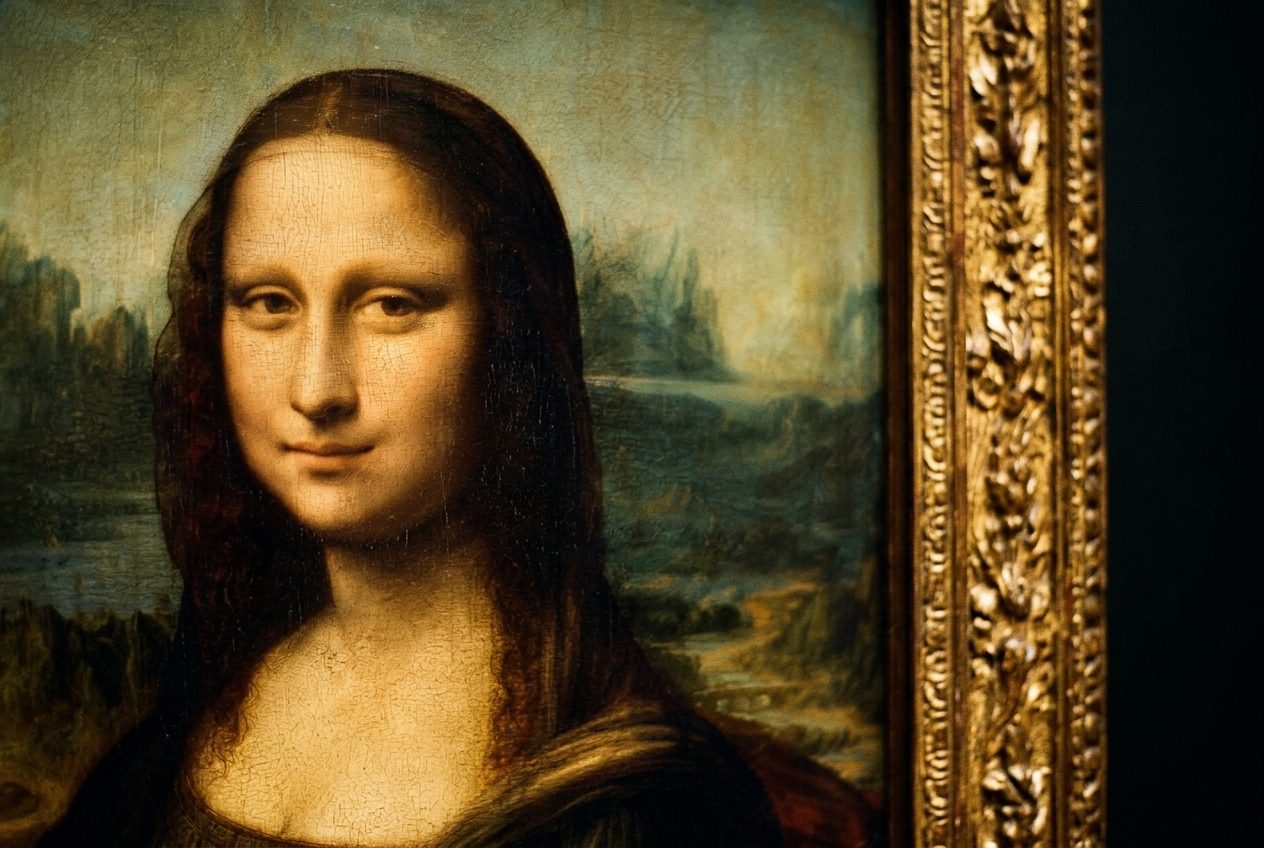
Mona Lisa detail in warm museum light
Masterwork Series
12 June 2025·14 min read

Mona Lisa: Everything You Didn't Know

Behind the glass, beyond the crowd — the real story of Leonardo's most enigmatic portrait

She hangs behind bulletproof glass, smaller than you imagined, surrounded by a scrum of phones and selfie sticks. And yet, the moment the crowd parts and you catch her eye — really catch it — something inexplicable happens. The Mona Lisa stops you cold.

Painted by Leonardo da Vinci between approximately 1503 and 1519, the portrait of Lisa Gherardini, wife of Florentine merchant Francesco del Giocondo, has accumulated more mystery per square centimetre than almost any object in human history. But most of what you think you know about her is either incomplete or quietly wrong.

For one thing, the Mona Lisa was never intended for public display. Leonardo carried the painting with him to France when he accepted Francis I's invitation to join the court at Amboise — and it remained in royal collections for over a century before eventually hanging at Versailles. Napoleon famously commandeered it for his bedroom at the Tuileries. The Louvre only became its home in 1797.

Her famously elusive smile is, in part, an optical illusion. Art historians and vision scientists have long noted that the smile appears more pronounced when you look at her eyes rather than her mouth — a phenomenon rooted in how peripheral vision processes shadow differently from direct gaze. Leonardo, a keen student of optics and human anatomy, almost certainly understood this effect and used it with intent.

Isabelle Renard

Isabelle Renard

Senior Art Correspondent, munsee-osray

munsee-osray

Your insider guide to Paris's greatest museums and exhibitions — curated with depth, written with passion.

Get in Touch

© 2026 munsee-osray. All rights reserved. Crafted with care for lovers of Parisian culture.

Paris, always.